
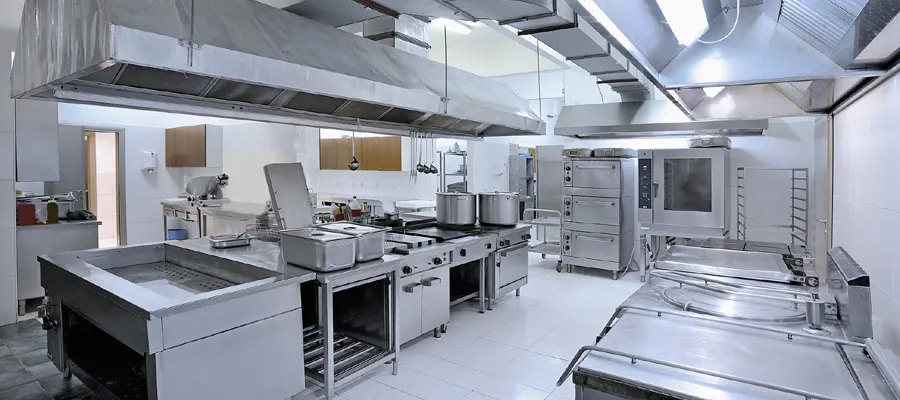
What You Need to Know Before Designing a Commercial Kitchen
Published on 19 July, 2021
A bad commercial kitchen design can sink your restaurant before it even opens. You might face huge repair costs, failed inspections, or a setup that slows down your staff and cuts profits. Think about it: one wrong layout choice could mean chefs bumping into each other during rush hour, leading to spills, burns, or worse.
This guide walks you through everything you need to know for smart commercial kitchen design. You'll get a clear plan that covers rules, workflows, and smart choices for your kitchen layout. We focus on key areas like NSF standards to help you build a space that boosts efficiency and meets all commercial kitchen codes.
Laying the Groundwork: Planning and Regulatory Compliance
Defining Your Operational Needs and Concept
Your menu shapes the whole kitchen. If you serve lots of grilled items, you need strong ventilation and a solid cooking line. For a bakery with high output, plan space for large ovens and cooling racks right away.
Start with your daily customer count. A small cafe might handle 100 meals a day, but a busy diner could hit 500. Match that to storage and prep areas so nothing backs up.
- Create a menu flow chart: List each dish from fresh delivery to final plate.
- Note peak times: Does lunch rush demand extra fryers?
- Adjust for growth: Plan room to add equipment if sales climb.
This step saves headaches later. It ties your business idea to real equipment needs.
Navigating Health Codes and Permitting Requirements
Health rules keep food safe and your doors open. Local health departments set strict guidelines on sanitation and layout. Fire codes from NFPA demand clear exits and no fire hazards near stoves.
ADA rules ensure ramps and wide paths for everyone. Codes vary by city, so check yours early. In New York, you might need extra grease traps; in LA, seismic standards add layers.
NSF certification marks gear as safe for food contact. Building permits take weeks, so file them first. Skip this, and you risk shutdowns or fines that eat your budget.
Talk to inspectors upfront. They spot issues before you pour concrete.
Budget Allocation and Contingency Planning
Break your budget into clear parts. Equipment often takes 40%, build-out 30%, and ventilation 20%. The rest covers wiring and plumbing tweaks.
Hidden costs pop up fast. Old walls might hide bad pipes, or floors could need reinforcement for heavy fridges. Set aside 15-20% extra for surprises.
Track every dollar with a spreadsheet. List must-haves like sinks versus nice-to-haves like fancy lighting.
Smart planning keeps you on track. It turns a dream kitchen into a working one without debt.
Workflow Optimization: The Science of Kitchen Layout
Understanding the Five Essential Zones
Every commercial kitchen needs these five zones to run smooth. Receiving and storage come first: Keep dry goods and fridge space near the door to cut steps.
Prep zone follows, with counters for chopping veggies or marinating meats. Place it close to storage so ingredients move quick. The cooking line handles heat—grills, ovens, and stoves all in a row for fast output.
Service and expediting area lets chefs plate orders without chaos. Warewashing wraps it up: Sinks and dish racks far from clean zones to avoid germs.
Link zones smartly. Short paths between prep and cooking cut waste by 20%, per industry reports. Poor flow leads to tired staff and slow service.
Selecting the Right Layout Style
Pick a layout that fits your menu and space. Assembly line works great for fast food joints with simple items. Food moves straight from prep to cook to serve, like on a conveyor.
Island layout puts utilities in the center. It's handy for small spots where staff grab tools from all sides. Zone layout shines in fine dining with many dishes; separate areas handle sauces, grilling, and baking without mix-ups.
Match it to your model. High-volume spots love lines for speed. Creative menus need zones for flexibility.
Test your choice with sketches. Walk through it in your mind—does it feel right for busy nights?
Ensuring Adequate Traffic Flow and Ergonomics
Wide aisles prevent accidents. OSHA says keep paths at least 36 inches clear for safe walks. Add more space around hot gear to avoid burns.
Ergonomics matter for your team. Set counters at 36 inches high so backs don't ache during long shifts. Place sinks and stoves at elbow level to ease strain.
Good flow means less bumping and faster work. Studies show it drops injury rates by 30%. Think of your kitchen like a busy highway—clear lanes keep traffic moving.
Equipment Selection and Utility Infrastructure
Specifying Energy-Efficient and Right-Sized Equipment
Buy gear that fits your needs, not too big or small. A huge oven wastes space in a tight kitchen. Focus on total cost: Energy bills add up over years.
Look for ENERGY STAR labels. They cut power use by up to 50% and qualify for tax breaks. In 2026, rebates make green choices cheaper upfront.
Use this checklist:
- Check UL or ETL safety marks.
- Confirm NSF standards for cleanability.
- Ensure it's built for 12-hour shifts, not home use.
Right-sized tools boost speed and save cash. Oversized fridges guzzle electricity without need.
Ventilation: The Unsung Hero of Kitchen Design
Ventilation clears smoke, heat, and grease. Type I hoods handle oily vapors from fryers and grills. Type II suits steam from ovens or dishwashers.
Make-up air systems replace exhausted air to avoid drafts. Without it, doors slam shut from pressure drops. Balance HVAC to keep temps steady—too hot, and staff tire fast.
Grease exhaust rules demand filters and ducts that clean easy. Poor setup leads to fires or shutdowns. Invest here; it pays in safety and air quality.
Utility Mapping: Gas, Water, and Electrical Load Calculations
Plan utilities before buying anything. Gas lines feed broilers; water powers sinks. Electrical needs total amps—add them up early.
Hire an engineer to map it. A full kitchen might draw 200 amps; undersized panels mean rewiring later, costing thousands. Place outlets near gear to cut cord clutter.
Grease traps go under drains to catch fats before sewers. Vent plumbing right to stop bad smells. Early planning avoids digs and delays.
Material Selection for Durability and Hygiene
Flooring Solutions for Safety and Maintenance
Floors take a beating from spills and drops. Choose slip-resistant options with a friction rating over 0.5. Quarry tile grips well and cleans fast.
Sealed concrete works in dry areas but cracks under heat. Epoxy coatings shine in wet zones—they resist acids from cleaners and last 10 years with low upkeep.
Pick based on traffic. Heavy spots need tough tile; lighter ones save with epoxy. Good floors cut slips, which cause 15% of kitchen injuries.
Wall Surfaces and Ceiling Requirements
Walls must fight moisture and grease. Stainless steel wipes clean but dents easy. FRP panels handle humidity without mold, common in steamy kitchens.
ceilings need 10-foot height over stoves for hood clearance. Use non-porous tiles that don't absorb smells. Seal edges to block dirt buildup.
Durable choices last longer. They keep inspections smooth and cut cleaning time.
Choosing the Right Fixtures: Sinks and Stainless Steel
Sinks follow strict codes. Three-compartment setups wash, rinse, and sanitize pots. Hand sinks stay separate, with soap and towels nearby.
Go for 16-gauge stainless steel—thick enough for daily bangs. Prep tables in 18-gauge save weight without weakness. Polished finishes hide scratches less.
Quality fixtures speed tasks. A solid sink setup means no backups during dinner rush.
Conclusion: Finalizing Your Design for Long-Term Success
Smart commercial kitchen design blends rules, flow, and strong builds from the start. You cover health codes, zone layouts, and utility plans to create a space that hums. Miss one piece, and costs climb while efficiency drops.
This setup invests in your team's safety, quick service, and steady profits. It's not just spending—it's building a foundation for growth.
Hire a pro consultant or engineer now. They'll spot flaws and guide you to a kitchen that lasts. Start planning today for tomorrow's wins.